Explore the learning profile
Careful assessment of relevant skills and processes, considered alongside background information.
Specialist Dyslexia & SpLD Assessment
A calm, supportive assessment experience that helps children, young people and their families understand individual learning strengths and needs.
About Clare
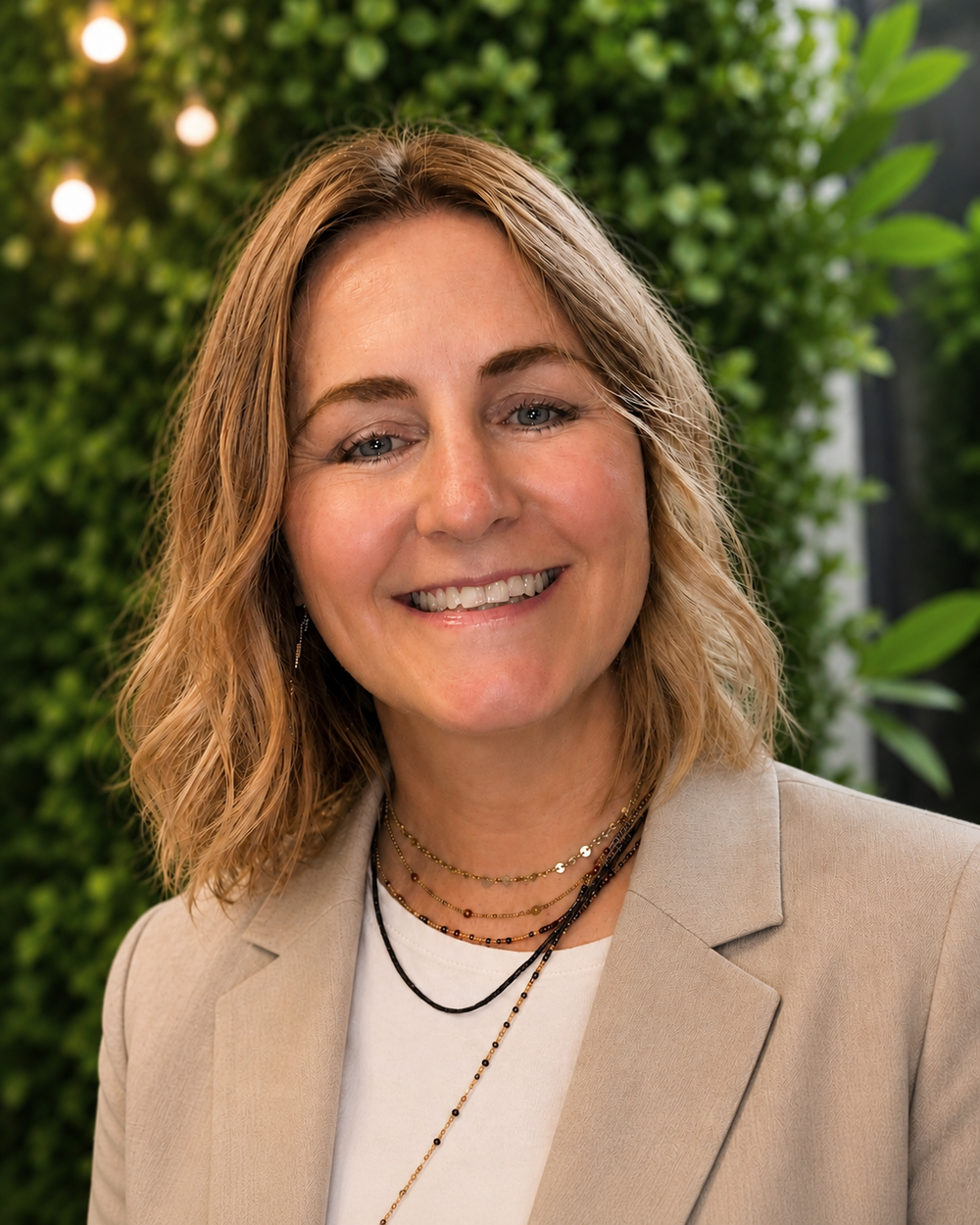
I’m Clare Dagnall, a Specialist Teacher and Dyslexia/SpLD Assessor with around 20 years of experience in primary education. I currently work as a SENCO, supporting children with a wide range of additional learning needs.
I understand that families often arrive with questions and uncertainty. I provide a thoughtful, person-centred assessment that recognises strengths as well as areas of difficulty, followed by clear recommendations for the way forward.
Dyslexia assessments
An assessment builds a detailed picture of an individual’s literacy skills, relevant cognitive profile and how they learn. It can identify dyslexia and help explain patterns of strength and difficulty.
Careful assessment of relevant skills and processes, considered alongside background information.
A clear explanation of the results, with space to ask questions and discuss what they mean.
A comprehensive written report with practical, individual recommendations for support.
Core services
Choose a comprehensive diagnostic assessment or a focused service designed around a specific question or area of need.
A comprehensive, person-centred assessment exploring literacy attainment—including reading, spelling and writing—alongside relevant cognitive processes, strengths and areas of difficulty. This includes a diagnostic decision, a detailed report written using the new SASC 2025 Diagnostic Assessment Report Format, practical recommendations and a feedback consultation.
A focused assessment of selected areas such as reading, spelling, writing or relevant cognitive processing, with a clear summary of strengths, needs and suggested next steps.
Assessment evidence to support a school or college when considering reasonable adjustments, in accordance with current JCQ requirements. The centre remains responsible for decisions and applications.
Please note: A focused assessment provides information about particular areas of learning but does not result in a formal diagnosis of dyslexia. A full diagnostic assessment is required for a diagnostic decision.
A discussion of current concerns, educational history and existing evidence to help decide whether a full or focused assessment may be appropriate.
An opportunity to discuss assessment findings in everyday terms, ask questions and understand personalised recommendations for home and education.
A review and explanation of a previous diagnostic report, its recommendations and possible next steps. This is not a reassessment or a new diagnostic decision.
With appropriate consent, discussion with parents, schools, SENCOs and other professionals to support shared understanding and next steps.
An up-to-date understanding
In 2025, a multidisciplinary panel of dyslexia experts—including researchers, specialist teachers, educational psychologists and people with dyslexia—published a new consensus definition.
“Dyslexia is a set of processing difficulties that affect the acquisition of reading and spelling.”
Difficulties with fluent reading and spelling are recognised as key markers across different ages and languages.
Dyslexic difficulties vary from person to person and can be experienced at different levels of severity.
Phonological processing difficulty is the most commonly observed cognitive feature, but it does not explain every individual’s profile. Working memory, processing speed and orthographic skills may also contribute to the impact.
Dyslexia can co-occur with other developmental differences. A careful assessment therefore considers the person’s pattern of strengths, difficulties, history and educational experience—not a single test score.
The updated definition recognises that dyslexia is complex and can present differently over time. My assessments build a clear, individual picture and translate the findings into practical recommendations.
Read the 2025 Delphi study →What to expect
Contact me to briefly discuss your concerns and whether an assessment may be appropriate.
Relevant questionnaires and information are gathered before the appointment.
The assessment is completed in a calm environment, with breaks whenever needed.
You receive a detailed report and an opportunity to discuss the findings and recommendations.
Fees and availability
Begin with a friendly, no-obligation enquiry to discuss which service may be most appropriate.
A £100 booking deposit is required for a full diagnostic assessment and is deducted from the final balance. Travel costs may apply outside the usual service area. Exam access-arrangement assessments are normally commissioned in partnership with the learner’s school or college.
Ask about fees and availability →Contact
Please email with a brief outline of your enquiry. I’ll respond as soon as I can and let you know the next steps.